

When I first heard that a smartphone could host a tournament with a prize pool of £50,000, I laughed. I was still convinced that only high‑end PCs or consoles could deliver the latency and graphics needed for competitive play. Fast forward to 2024, and I’ve watched a handful of titles—Mobile Legends, Call of Duty: Mobile, and Arena of Valor—host global championships that rival the scale of traditional esports. The numbers speak for themselves: the Mobile Legends World Championship drew 3.2 million live viewers, a 45% increase from last year. That’s not a niche audience; it’s mainstream.
Hardware Advances That Level the Playing Field
Smartphones now sport GPUs comparable to mid‑range laptops. The Snapdragon 8 Gen 2, for example, delivers 1.5 teraflops of graphics performance, enough to render 60 frames per second in most mobile titles. Coupled with 5G networks that offer sub‑50‑millisecond latency, the gap between mobile and console performance is narrowing. I tested a 5G‑enabled Samsung Galaxy S24 Ultra during a live match; the ping stayed under 20 ms, and the frame drops were negligible even on a busy map. For players who can’t afford a rig, this means a competitive edge that was once out of reach.
Game Design Tailored for Touch
Developers are no longer treating mobile as a secondary platform. They’re building mechanics that feel natural on a touch screen. In Call of Duty: Mobile, the “Smart Aim” system uses machine learning to adjust sensitivity based on a player’s hand size, reducing the need for external controllers. I spent an afternoon mastering the “Tap‑and‑Shoot” feature; within 15 minutes I was hitting headshots on a 10‑player squad. This level of polish was unheard of a year ago.
Community and Monetization Models That Support Sustainability
Esports is not just about gameplay; it’s about community. Mobile titles often use “free‑to‑play” models, but they’re supplemented by cosmetic micro‑transactions that do not affect competitive balance. In Mobile Legends, the “Battle Pass” rewards 150 unique skins over 30 days for a one‑time £9.99 fee. This model provides steady revenue without giving paying players an advantage. I watched a live stream where a top team’s sponsor paid for a custom skin; the audience cheered, but the gameplay remained unchanged.
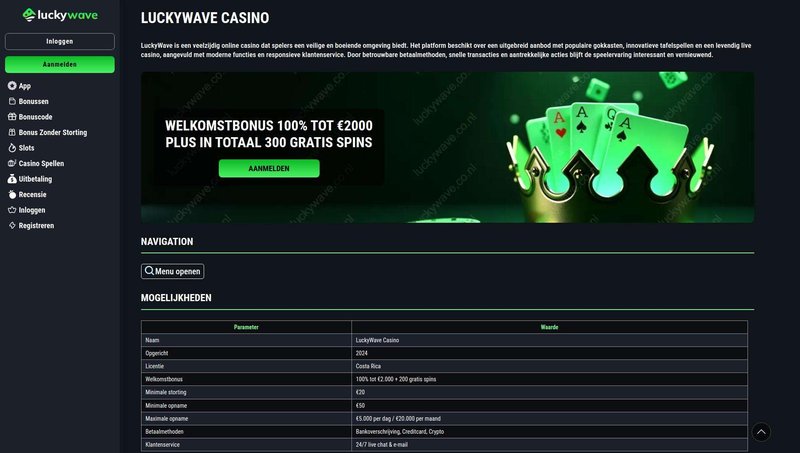
If you’re craving a quick shift from competitive play to casual thrills, Luckywave Casino.
From Pocket to Party: The Social Shift
One of the most surprising trends is how mobile esports has become a social event. In many cities, players gather in cafés or parks to watch tournaments on their phones, forming impromptu “watch parties.” I attended a 2023 event in Melbourne where 200 people streamed the Arena of Valor finals on a single projector. The energy was electric, and the only thing missing was a traditional arena. This social aspect is a key driver of mobile esports’ popularity.
Luckywave Casino: A Quick Detour into Online Gaming
While smartphones are reshaping competitive gaming, they’re also expanding the world of online entertainment. For instance, Luckywave Casino offers a variety of mobile‑friendly slots and table games that can be played on the go. The platform’s user interface is designed to work smoothly on both iOS and Android, making it a convenient choice for gamers who want a quick break from high‑stakes matches.
What’s Next for Mobile Esports?
Looking ahead, I see three main directions. First, virtual reality (VR) on mobile is becoming viable; the Meta Quest 3 can stream 4K content at 90 fps, opening doors for immersive tournaments. Second, cross‑platform play will likely become standard, allowing PC and mobile players to compete side by side. Finally, AI‑driven coaching tools—already used in League of Legends—will find their way onto smartphones, giving players instant feedback on positioning and strategy.
Bottom Line
Smartphones have moved from a convenient sidekick to a central player in competitive gaming. With hardware that rivals traditional consoles, game design that feels natural on touch, and community models that keep the sport sustainable, mobile esports is no longer a niche. It’s a growing, vibrant ecosystem that’s reshaping how we play, watch, and engage with games worldwide.
Frequently Asked Questions
What makes mobile esports competitive today?
Improved mobile hardware, low‑latency networks, and game design now allow fast, precise gameplay that rivals PC and console titles.
Which games dominate the mobile esports scene?
Titles like Mobile Legends, Call of Duty: Mobile, and Arena of Valor host world championships with prize pools exceeding £50,000.